Updated October 2026 · Independent 7 Brew guide
A drink’s calorie count depends on its base, serving size, milk, syrups, sauces and toppings. Two cups with the same name can have different nutrition if one is customized. Instead of hunting for a universal list of lowest-calorie drinks, start by understanding which ingredients contribute energy. Check the official nutrition guide for standard recipes and confirm any modifications with the local stand.
Menu availability and recipe details can change by location. This article is written for people who want to compare drinks thoughtfully before visiting a stand, not for replacing the retailer’s current ingredient information. Where a drink has been customized, standard nutrition figures may no longer apply. The easiest way to avoid confusion is to confirm the exact base, size and additions at the ordering window.
Disclosure: 7 Brews Menus is an independent informational website and is not affiliated with or endorsed by 7 Brew Coffee.
Quick menu comparison
| Drink or style | What to compare | Main consideration |
|---|---|---|
| Plain Americano | Check for added milk or syrup | Coffee-forward |
| Plain tea, if offered | Check sweetening | Tea-based |
| Latte with adjusted flavor | Milk still adds calories | Creamy |
| Sugar-free energy option | Check added syrups and caffeine | Fruit-forward |
| Smoothie or shake | Check base and toppings | Blended |
These comparisons are practical ordering guidance, not guaranteed nationwide recipes or prices. Ask your stand which options are currently offered and how any custom changes affect the final drink.
Low calorie is not one fixed menu category
A drink’s calorie count depends on its base, serving size, milk, syrups, sauces and toppings. Two cups with the same name can have different nutrition if one is customized. Instead of hunting for a universal list of lowest-calorie drinks, start by understanding which ingredients contribute energy. Check the official nutrition guide for standard recipes and confirm any modifications with the local stand.
An important distinction is the difference between a named menu drink and a customized version of it. The same title on a receipt does not always reveal milk substitutions, flavor changes or added shots. For comparisons to be useful, write down those details along with the size. Ask the employee to confirm anything that is not clear before paying.
Plain coffee as a comparison point
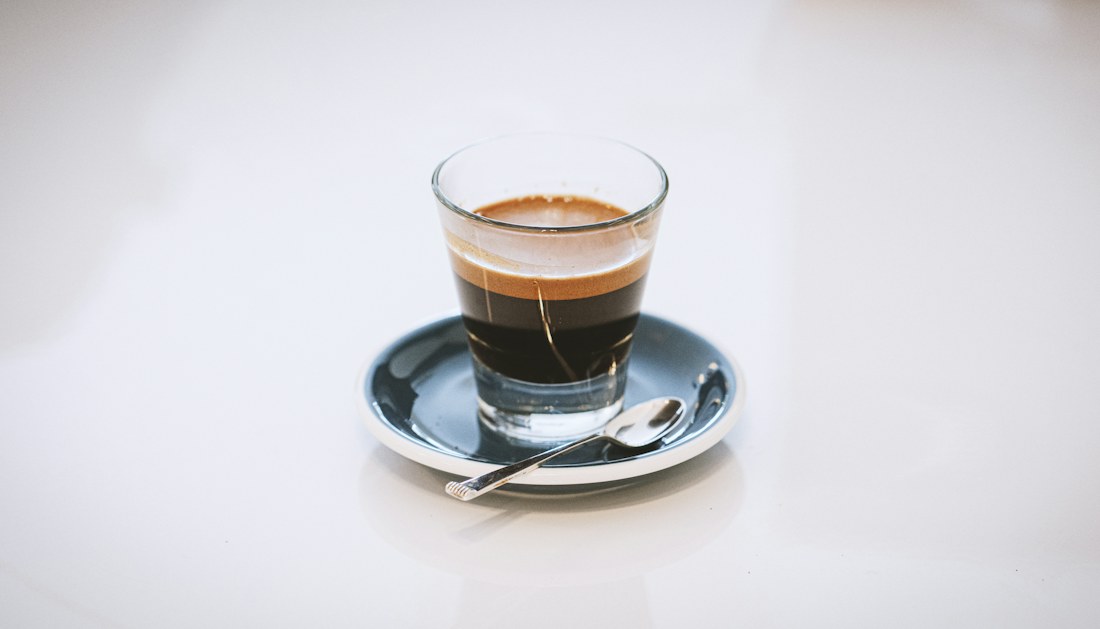
Coffee without milk, sweeteners or toppings can be a useful reference when comparing more elaborate beverages. An Americano, for example, is typically built from espresso and water, while a latte adds milk. That difference changes the nutrition. However, local recipes and serving sizes still matter. If you enjoy black coffee, ask about current plain options rather than assuming every coffee menu item starts equally.
Local availability deserves attention too. Syrup inventories, seasonal recipes and preparation methods can differ, and an older online menu may not reflect what your stand currently serves. If a specific ingredient is unavailable, ask for a similar taste profile rather than relying on a social-media nickname. A straightforward order is usually easier to repeat accurately.
Milk makes a difference
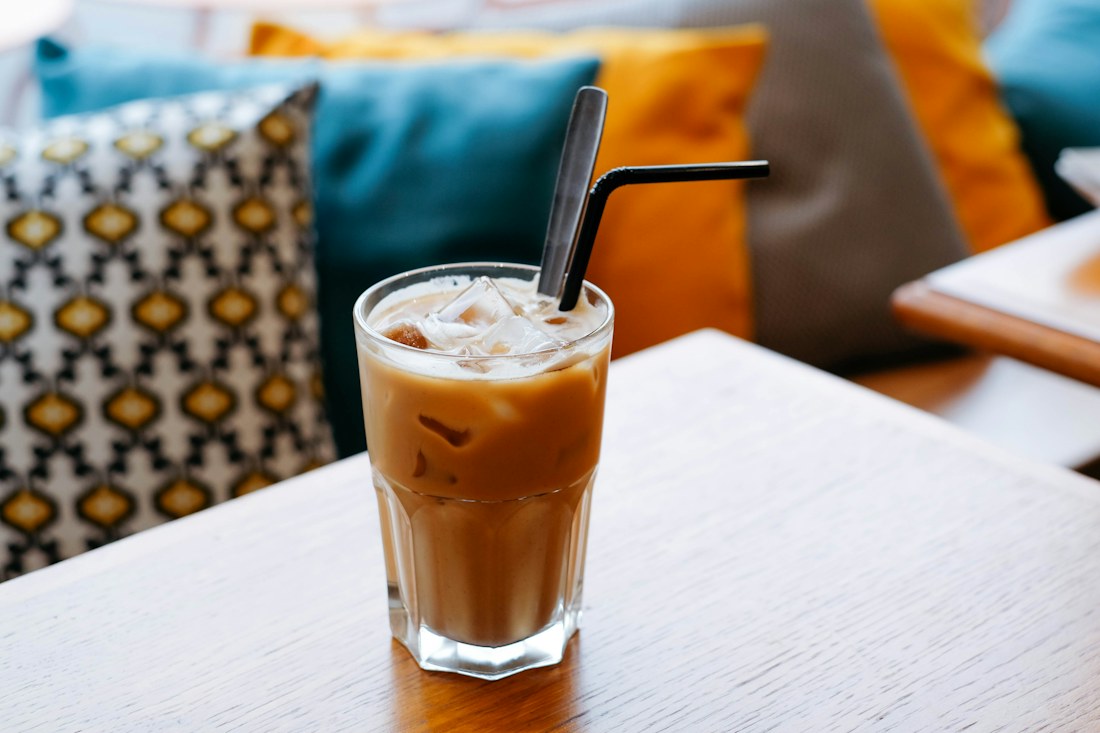
Milk contributes calories, carbohydrates and protein, and richer dairy bases may be more substantial. Plant-based alternatives differ widely, especially when sweetened. Switching to an alternative does not guarantee a lower-calorie drink. Ask what the standard milk is and whether a different option is offered. Compare the actual serving, not just the marketing description of the milk.
Think about the complete experience rather than one appealing label. Texture, sweetness, temperature, portion size and caffeine all shape how satisfying a drink feels. One small adjustment is usually more informative than changing several ingredients simultaneously. When you find a combination you enjoy, keep a note of the exact preparation for your next visit.
Flavor syrups and sauces
A flavored drink may include multiple sweet additions, from syrups to chocolate sauce and finishing drizzle. Asking for fewer pumps or one flavor instead of several can change the recipe, where supported. Sugar-free syrups may be available for some flavors, but the finished drink can still contain sugar from milk or other ingredients. Confirm the ingredients before assuming a modification has a specific calorie reduction.
If you are checking nutrition, remember that standard published figures apply to particular recipes. Changes to milk, syrups, sauces or toppings can make those numbers inaccurate for your order. The official retailer is the best place to confirm ingredient information, especially for allergies or restrictions. Do not treat general blog estimates as a guarantee.
Tea and non-coffee choices
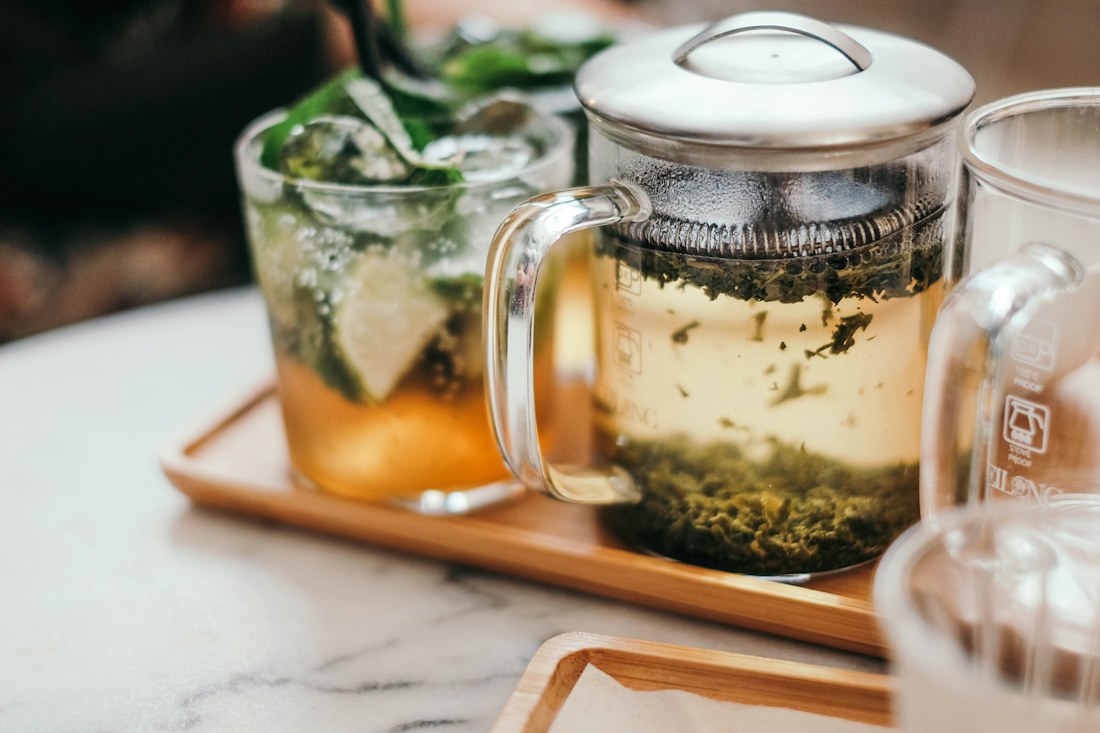
Plain tea can be a useful option to explore, but sweetened iced tea, chai concentrates and matcha lattes may have very different nutrition. A fruit flavor does not necessarily mean a drink is light. Ask whether the tea is sweetened and what milk or syrup is included. For an accurate comparison, look at the complete standard recipe and the size you plan to order.
An important distinction is the difference between a named menu drink and a customized version of it. The same title on a receipt does not always reveal milk substitutions, flavor changes or added shots. For comparisons to be useful, write down those details along with the size. Ask the employee to confirm anything that is not clear before paying.
Energy drinks and calories
An energy drink’s calories depend on the base and added flavoring. A sugar-free energy base may be offered, but added syrups can change the total. Low calorie also does not mean low caffeine. Ask for both nutrition and stimulant information. If caffeine is a concern, compare the energy category separately from coffee and tea rather than choosing solely on a calorie number.
Local availability deserves attention too. Syrup inventories, seasonal recipes and preparation methods can differ, and an older online menu may not reflect what your stand currently serves. If a specific ingredient is unavailable, ask for a similar taste profile rather than relying on a social-media nickname. A straightforward order is usually easier to repeat accurately.
Smoothies and shakes
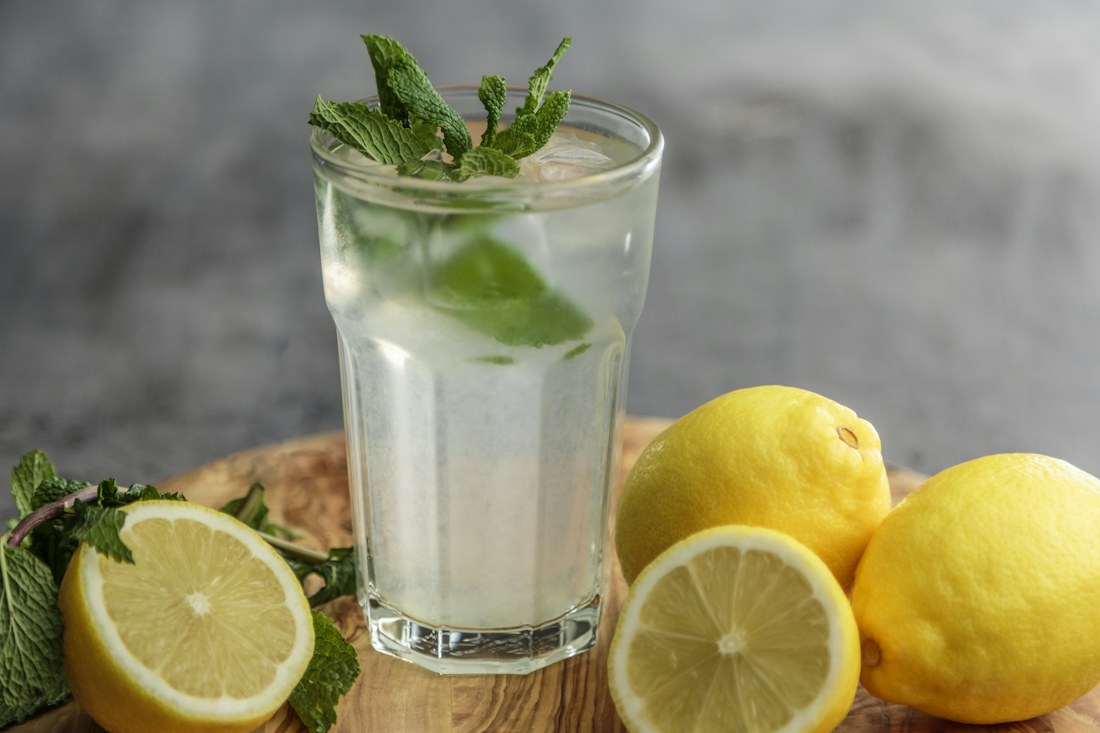
Blended fruit drinks and dessert-style shakes can be enjoyable, but their bases may contain sweeteners, dairy or other ingredients that raise calories. Do not assume a smoothie is low-calorie because it sounds fruit-based. Ask about the standard ingredients and size. If you prefer a lighter beverage, compare it with simpler coffee, tea or lemonade preparations using documented nutrition rather than visual impressions.
Think about the complete experience rather than one appealing label. Texture, sweetness, temperature, portion size and caffeine all shape how satisfying a drink feels. One small adjustment is usually more informative than changing several ingredients simultaneously. When you find a combination you enjoy, keep a note of the exact preparation for your next visit.
Why cup size matters
A larger cup may involve more milk, flavoring or beverage base. But the change is not always proportional because recipes can differ by size. Comparing small, medium and large versions of the same drink is more useful than comparing unrelated menu items. If a specific size is not listed in the nutrition guide, do not extrapolate a precise calorie value without knowing the formula.
If you are checking nutrition, remember that standard published figures apply to particular recipes. Changes to milk, syrups, sauces or toppings can make those numbers inaccurate for your order. The official retailer is the best place to confirm ingredient information, especially for allergies or restrictions. Do not treat general blog estimates as a guarantee.
Calories versus sugar versus caffeine
These are separate measurements. A beverage can be low in calories but contain caffeine, or be made with sugar-free syrup while still containing calories from milk. A decaf drink can remain rich and sweet. Decide which measure matters to you before ordering, and read the correct part of the nutrition information. Avoid using a single label as a shortcut for the entire drink.
An important distinction is the difference between a named menu drink and a customized version of it. The same title on a receipt does not always reveal milk substitutions, flavor changes or added shots. For comparisons to be useful, write down those details along with the size. Ask the employee to confirm anything that is not clear before paying.
How to customize without guessing
Choose a standard drink whose ingredients you understand. Ask about size, milk, sweetness and toppings, then request one manageable change. If you need an exact calorie figure, ask whether the retailer can provide nutrition for that customized recipe. Otherwise treat any number as uncertain. Keeping modifications simple can make it easier to compare future orders and decide whether the taste is worth the change.
Local availability deserves attention too. Syrup inventories, seasonal recipes and preparation methods can differ, and an older online menu may not reflect what your stand currently serves. If a specific ingredient is unavailable, ask for a similar taste profile rather than relying on a social-media nickname. A straightforward order is usually easier to repeat accurately.
A realistic ordering routine
Start with the beverage family you actually enjoy. Compare official standard nutrition for two or three candidate drinks, then choose a size. Ask about any available lower-sugar flavor or lighter milk preparation without assuming it is automatically lower in calories. Check the price and order details. A sustainable routine is one that fits your preferences, not a contest to find the smallest number on a chart.
Think about the complete experience rather than one appealing label. Texture, sweetness, temperature, portion size and caffeine all shape how satisfying a drink feels. One small adjustment is usually more informative than changing several ingredients simultaneously. When you find a combination you enjoy, keep a note of the exact preparation for your next visit.
Where to verify the numbers
Use the official 7 Brew nutrition guide and support information as the primary references for published standard drinks. Record the drink name, size, temperature and additions when comparing values. Third-party charts can be helpful for ideas, but they may be outdated or use a different recipe. If you see conflicting numbers, prefer the source that clearly identifies the serving size and current formulation.
If you are checking nutrition, remember that standard published figures apply to particular recipes. Changes to milk, syrups, sauces or toppings can make those numbers inaccurate for your order. The official retailer is the best place to confirm ingredient information, especially for allergies or restrictions. Do not treat general blog estimates as a guarantee.
Ordering checklist: five questions to ask
- What is the standard drink base and which preparation is available?
- How does the recipe change between small, medium and large sizes?
- Which milk, syrup, sauce and topping ingredients are included?
- Can the stand confirm the caffeine, sugar or allergen details I need?
- What is the current local price for my exact order?
Helpful related guides
7 brew menu calories · 7 brew sugar free menu · 7 brew drink sizes
Frequently asked questions
What is the lowest-calorie drink at 7 Brew?
It depends on the current recipes and serving sizes; compare official nutrition for specific options.
Is sugar-free syrup zero calories?
Check the particular syrup and full finished drink; sugar-free does not describe all ingredients.
Does decaf lower calories?
Not necessarily. Decaf affects caffeine rather than milk and flavor calories.
Is a smoothie lower-calorie than coffee?
Not automatically. Compare the exact recipes and sizes.
Where can I check calorie values?
Use 7 Brew’s current official nutrition guide for standard drinks.
Official sources and editorial accuracy
Check the official 7 Brew menu, nutrition guide and support resources for current product details. Our comparisons are educational and do not guarantee availability, fixed prices or the nutrition of customized orders.