Discover your next favorite sip.
Explore 7 Brew menu guides, coffee styles, fruity refreshers, flavor ideas, and practical ordering tips—all in one easy-to-browse place.
Explore drinks ↓Read the guide
Good drinks. Clear answers. Better choices.
Looking for a quick way to understand drink categories, customization, ingredients, and menu questions? This independent resource is built for curious beverage lovers who want useful information without the guesswork. Start with the category you enjoy, explore flavor ideas, and use our detailed guide below to plan your next order.
We cover coffee, energy beverages, lemonades, tea, smoothies, and homemade drink inspiration. This site is not affiliated with 7 Brew Coffee; always confirm live menu details, prices, and availability with the official retailer.
Learn what makes each beverage category different.
Read the complete guide →Choose flavors, sweetness, and milk thoughtfully.
Customization tips →Understand what can vary by location or recipe.
Planning tips →Your guide to the 7 Brew experience
7 Brew is known for a drive-thru beverage experience built around customizable drinks and a quick stop. If you are browsing the menu for the first time, the number of possible combinations can feel exciting and a little overwhelming. Coffee drinks, flavored energy beverages, teas, lemonades, and other choices can vary in sweetness, temperature, and intensity. Our goal is to make those decisions easier before you reach the ordering window.
Start with the kind of drink you want, rather than a long list of flavor names. Are you looking for a coffee-forward pick, a dessert-like treat, something bright and fruity, or a drink without coffee? Once you know that, you can think about size, milk or dairy alternatives where available, ice, sweetness, and extra flavor. This independent guide explains the questions worth asking and points you toward more detailed resources as we publish them.
We are not the official 7 Brew website, and we do not process orders or promise that every option is available at every location. Menus and ingredient choices can change. Use this page to plan and compare, then confirm the latest details with the shop where you intend to order.
Explore drinks by category
A good drinks website should help you find what you want in seconds. That is why we organize our guides by drink type. Coffee has its own space for espresso-based favorites, iced options, and sweeter combinations. Energy drinks deserve separate attention because their flavor possibilities and caffeine considerations differ from traditional coffee. Tea and lemonade guides focus on lighter, fruitier choices, while smoothies and other blended drinks appeal to people who enjoy a thicker texture.
The categories are also useful when you are ordering for a group. One person may want something creamy and caffeinated, another may prefer a tart fruit drink, and a third may need a non-coffee option. Browsing by category avoids comparing completely different drinks as though they were interchangeable. We will keep category pages organized around practical decisions: taste, texture, temperature, customization, and common ingredient questions.
When a menu item has a special name, look for the actual base drink and flavors instead of assuming the name tells you everything. That habit makes it easier to compare two drinks and to explain your preferences to the person taking your order.
Coffee drinks: find your style
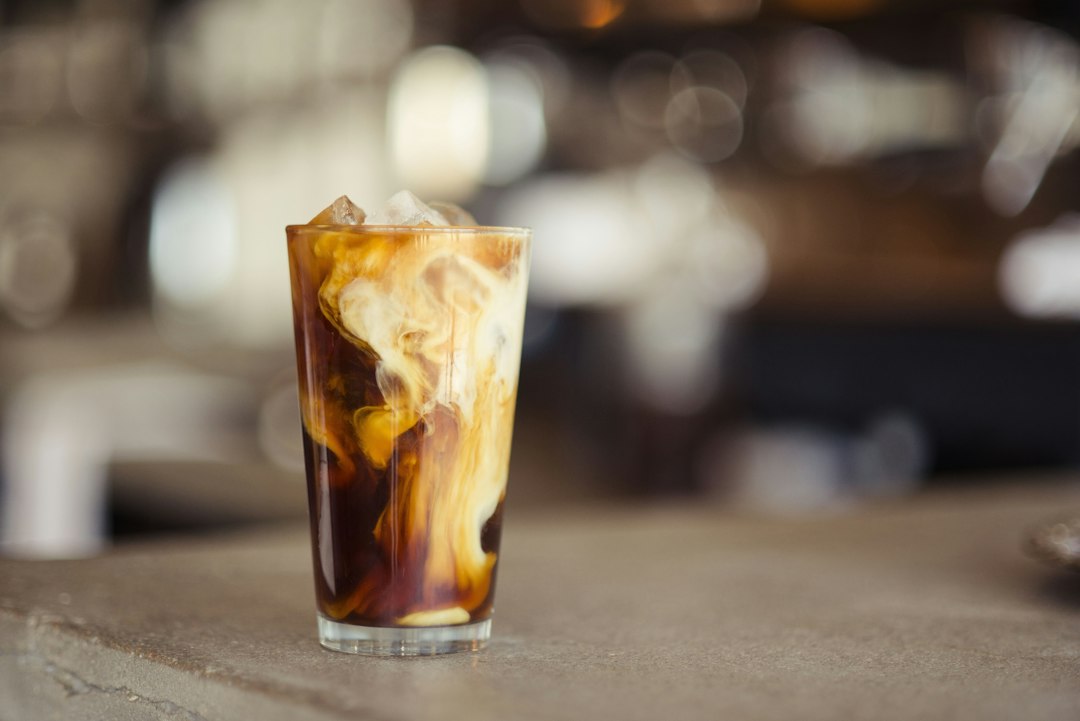
If you enjoy a strong coffee flavor, ask about drinks with less added flavoring and consider how milk changes the balance. If you like a sweet treat, a flavored iced coffee or a blended coffee-style drink may feel closer to dessert. Temperature matters too: ice can make a drink refreshing, while a hot preparation highlights aroma and creates a different texture.
A helpful first order is often a familiar drink with one small adjustment. Try the same style hot and iced on separate visits, or compare a regular sweetness level with a lighter one when that option is offered. Keeping other choices the same lets you discover what you genuinely like without changing every variable at once.
Iced coffee for busy days
Iced coffee is popular because it travels well and feels refreshing in warm weather. However, not all iced coffee drinks taste alike. Some are built around espresso, others around brewed coffee or a concentrate, and many combine coffee with milk, syrups, or toppings. The result can range from crisp and coffee-forward to rich and candy-like. A photo alone rarely reveals how sweet or strong a drink will be.
When comparing iced options, think about the amount of ice, the drink’s base, and whether the flavors are likely to complement coffee. Vanilla, caramel, chocolate, and nutty profiles often pair well with roasted notes, but the final balance is personal. If a drink tastes too sweet, ask whether less syrup is possible. If it tastes too milky, ask about a preparation with a more noticeable coffee base.
For a practical taste test, choose one standard drink and make notes about sweetness, creaminess, coffee strength, and whether you would order it again. A few observations are more useful than chasing every viral recommendation. Remember that caffeine and nutrition can vary significantly by recipe and size.
Hot coffee and comforting flavors
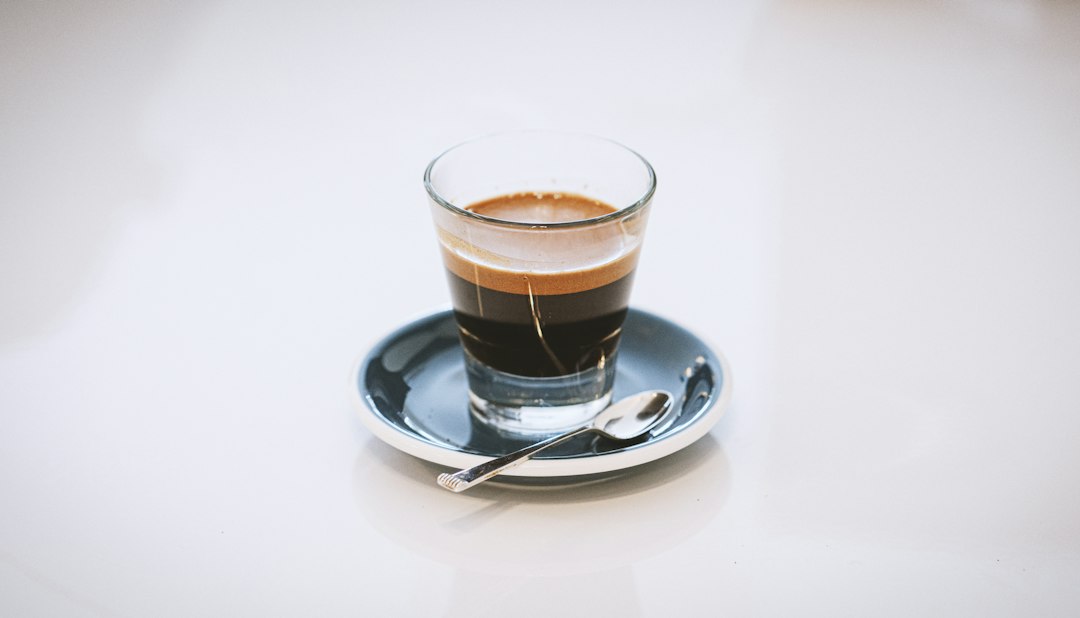
For a balanced hot coffee, start with the flavor profile. Chocolate can create a mocha-like experience, vanilla can soften bitterness, and caramel adds a rich sweetness. A simpler preparation can let the roasted coffee character stand out. If you are sensitive to very hot beverages, allow the drink to cool before sipping and ask about serving temperature if needed.
We recommend comparing drinks within the same general style. A plain coffee, a milk-based espresso drink, and a heavily flavored specialty beverage serve different purposes. Describing one as universally better than another misses the point. The best choice is the one that matches your taste, caffeine preference, and the moment you want to enjoy it.
Energy drinks and flavor combinations
Flavored energy drinks are an important part of modern drive-thru beverage culture. They often combine a caffeinated base with fruit-inspired flavors, producing colorful drinks that look very different from traditional coffee. A combination that sounds like candy may taste bright, tart, or surprisingly refreshing. Because flavor names are not standardized across every business, check what actually goes into the drink rather than relying on a nickname.
Think of energy flavors in families. Berry combinations can feel juicy and sweet; citrus profiles often taste sharper and more refreshing; tropical mixes may lean toward pineapple, coconut, or other vacation-style notes. Mixing too many flavors can blur their individual character, so starting with one or two is a sensible way to learn what works. Ask staff about current options and whether a particular combination can be adjusted.
Energy beverages also deserve extra care. Caffeine amounts can be substantial and may differ by size, base, and customization. Check the retailer’s current nutrition information, especially if you are limiting caffeine or avoiding certain ingredients. Colorful presentation is not a reliable indicator of caffeine strength.
Lemonades and bright fruit drinks
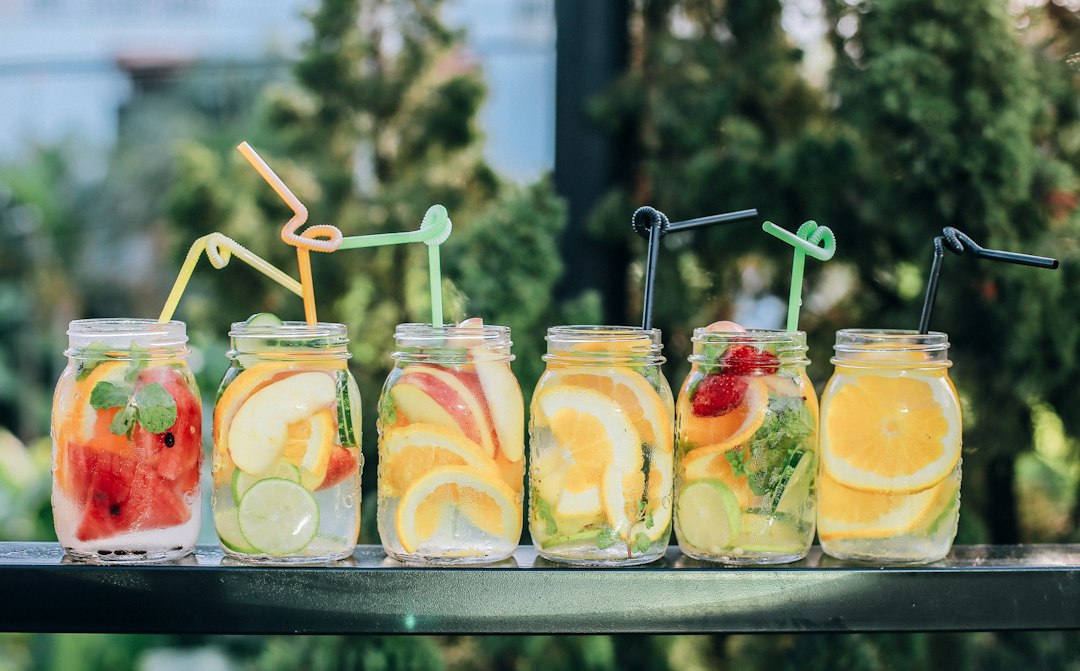
If you prefer a tart drink, look for a lemonade with fewer sweet additions where adjustments are possible. If you enjoy something more like a fruit punch, ask about available flavored combinations. Ice can dilute a drink as it melts, which may be welcome on a hot afternoon but can also change the flavor over time. Taste and texture are often more useful comparison points than the color of the beverage.
Lemonades are also a good starting point for people who want to explore non-coffee drinks. They are not automatically caffeine-free, however, if an energy base or other caffeinated ingredient is added. Always confirm the specific drink’s ingredients before relying on it as a caffeine-free choice.
Tea choices for different moods
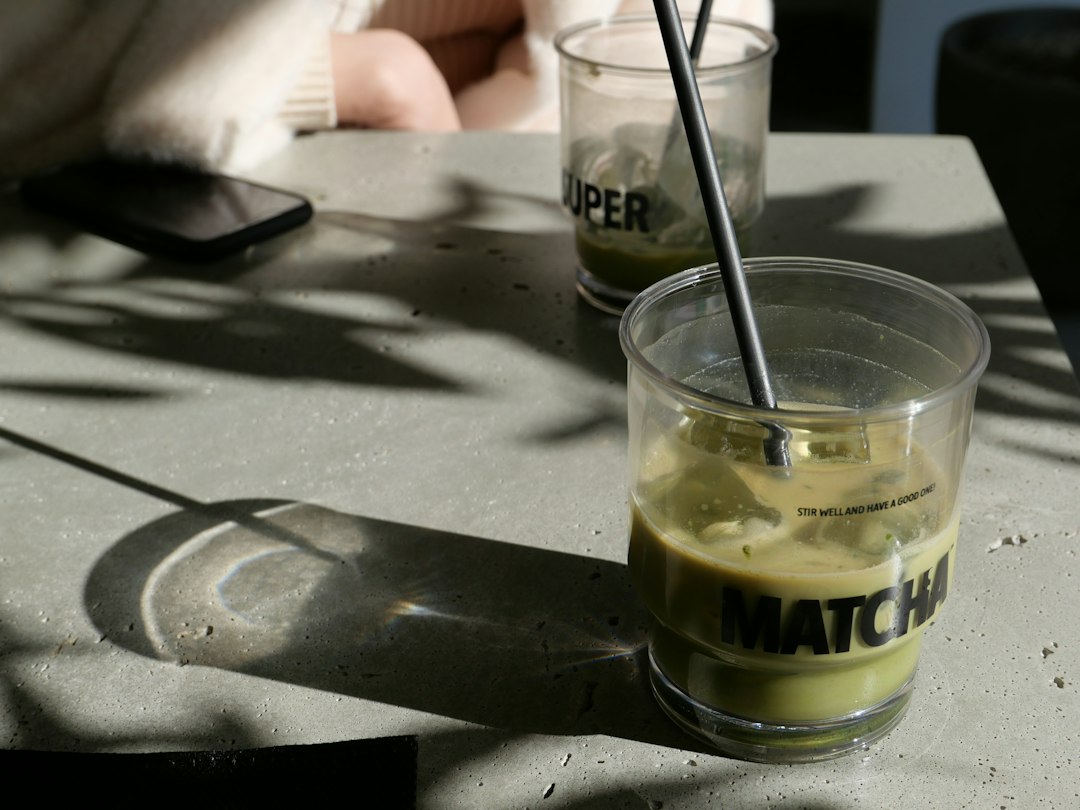
Tea pairs well with fruit notes because the flavors can brighten a drink without always making it feel creamy or heavy. Lemon, peach, berry, and citrus combinations each create a different experience. Some people enjoy tea lightly sweetened; others prefer a sweeter preparation with plenty of ice. You can learn a lot by trying the same tea base with and without a flavor addition on different visits.
If you are monitoring caffeine, do not assume that all tea is decaffeinated. The tea type, concentration, size, and any added energy ingredients can matter. For ingredient-specific questions, consult the location’s current information. Our guides will distinguish general tea education from claims about particular products.
Smoothies and blended beverages
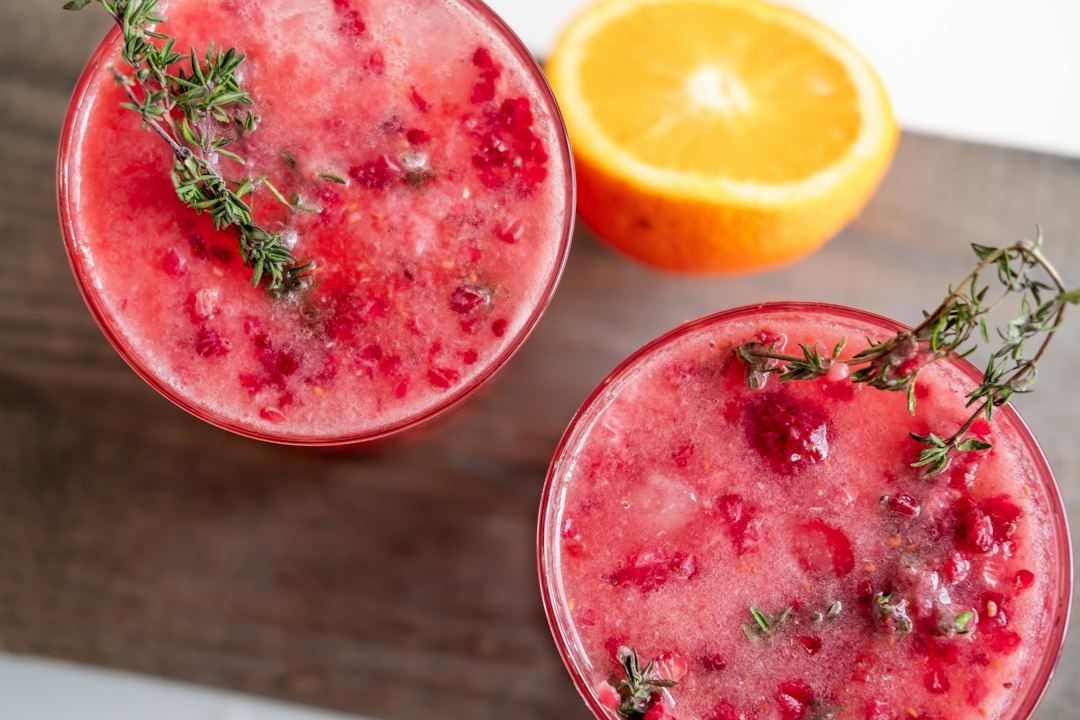
The word smoothie does not automatically mean a drink contains whole fruit, has no added sugar, or fits a particular nutrition goal. Recipes vary, and many commercial beverages use flavored bases or other ingredients. If nutrition is important to your decision, check the published ingredient and nutrition details for the exact product and size. Ask about dairy, soy, or other allergens when relevant.
When choosing a blended flavor, think about whether you want bright fruit acidity or a softer, creamy profile. A tart berry combination can feel lively, while a peach or tropical-inspired drink may taste smoother. The best choice is not necessarily the most elaborate combination; a simple, recognizable flavor often makes an excellent first order.
Understanding drink sizes
Size is one of the easiest ways to change the experience of a beverage. A larger drink lasts longer, but it may also contain more caffeine, sugar, or other ingredients. The relationship is not always perfectly proportional because recipes and ice levels differ. For that reason, we avoid publishing a universal size-to-caffeine formula that might mislead readers. Look for the current size options and product-specific nutrition data from the retailer.
When trying something new, a smaller size can reduce the commitment if you are unsure about the taste. It also gives you a baseline for sweetness and strength. Once you find a favorite, you can decide whether a larger serving makes sense. If you are comparing value, use the actual price and fluid ounces displayed for the location rather than an old screenshot or an estimate from another city.
Drink size matters for group orders as well. A large specialty drink may be perfect for someone who wants a long-lasting treat, while another person may prefer a compact espresso beverage. We will explain size choices in context, not label one option as automatically best for everyone.
Customize without overcomplicating
Customization is one of the most enjoyable parts of ordering drinks, but too many decisions at once can make the process confusing. Start with a base: coffee, tea, lemonade, an energy beverage, or a blended drink. Next, choose a flavor direction such as chocolate, berry, citrus, or caramel. Only after that should you consider sweetness, milk choices, temperature, and optional extras.
Not every adjustment is possible for every drink. A flavor might work in an iced coffee but not be offered in a hot preparation, or a topping may be unavailable at a particular location. Ask for the simplest version of your idea first. If the staff suggests a standard menu combination that matches your preferences, it may be easier to order consistently.
Keep a short note on your phone after a successful order: the drink name, size, temperature, any changes, and whether it was too sweet or just right. This makes repeat orders much easier. It also helps you explain exactly what you want without relying on a social media nickname that staff may not recognize.
How to choose sweetness
Sweetness is personal, and drink descriptions rarely capture it accurately. A beverage marketed as fruity might still be quite sweet, while a chocolate-flavored coffee can taste more balanced if the coffee base is prominent. Sweetness also changes with temperature and ice dilution. Instead of asking whether a drink is simply good, ask whether its level of sweetness suits your usual preferences.
If you tend to dislike sugary beverages, begin with simpler flavor combinations and ask whether reduced syrup or another adjustment is available. If you love dessert-style drinks, a richer combination may be exactly what you want. Neither approach is inherently superior. The important point is knowing what ingredients contribute sweetness and how they affect the drink’s overall balance.
Remember that sugar-free flavoring, when offered, does not necessarily make an entire finished drink sugar-free. Other bases, sauces, milks, or toppings can contain sugar. For a dietary requirement, confirm the full recipe and current nutrition information rather than relying on a single customization label.
Milk, cream, and dietary preferences
Milk can change the body and flavor of a coffee drink as much as a syrup does. Dairy milk often adds a familiar creamy texture, while plant-based alternatives can bring their own flavor notes. Availability varies, and different substitutes behave differently in hot and iced drinks. Some are naturally sweeter; others have a more noticeable nutty or grain-like taste.
If you avoid dairy, ask whether a suitable alternative is available for the exact drink you want. Do not assume that changing the milk removes all dairy from sauces, whipped toppings, premade bases, or flavor components. For a serious allergy, explain the concern to staff and ask about ingredients and shared preparation equipment. A third-party guide cannot guarantee a drink is free from cross-contact.
We also avoid treating menu labels such as light, skinny, or healthy as precise nutrition claims. A drink’s suitability depends on its complete ingredient list and portion size. Our future nutrition guides will emphasize verifiable facts, sensible comparisons, and clear limitations rather than dramatic promises.
Caffeine: make an informed choice
Caffeine is present in many coffee, tea, and energy beverages, but the amount can vary widely. The type of coffee, brewing method, drink base, serving size, and added shots or energy components can all influence the final amount. That is why two drinks of similar appearance can have very different caffeine levels. A brightly colored fruit drink can be caffeinated, while a coffee-flavored beverage may contain less than expected.
If you are sensitive to caffeine, ask for the current caffeine information for the exact drink and size. Consider what else you have consumed that day, including tea, soda, energy products, and some medications. Children, pregnant people, and individuals with certain health conditions may need special guidance from a qualified clinician. Do not rely on a blog’s generic caffeine estimate when a health decision is involved.
For general background, the U.S. Food and Drug Administration provides consumer information about caffeine and its effects. We link to authoritative resources so you can evaluate claims for yourself. Our site is for beverage information, not medical advice.
Nutrition and ingredient transparency
Nutrition numbers are useful only when they describe the drink you actually plan to order. Calories, sugar, fat, and caffeine may change when a customer chooses a different size, milk, syrup, topping, or base. A table for one standard recipe should not be applied to every custom combination. We will make those distinctions clear in our future guides.
When reviewing nutrition information, look for the serving size first. Then check whether the numbers refer to the standard preparation and whether substitutions are included. For allergens, ingredient labels and direct confirmation with the business are more dependable than an unofficial summary. If a shop changes suppliers or recipes, older nutrition documents may no longer describe the current product.
Our editorial approach is simple: use official nutrition information where possible, explain what is known, and say when something is not verified. We will not invent macro counts or present a guess as a laboratory result. Readers deserve accurate context more than a long list of impressive but unsupported figures.
Find a drink for the season
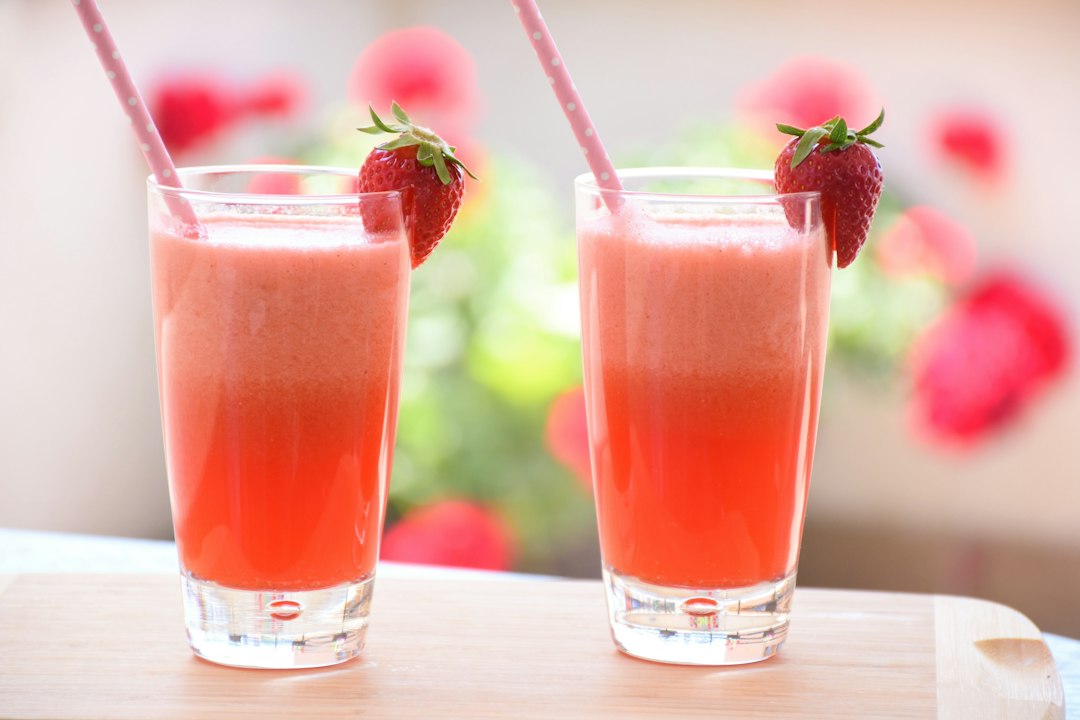
Seasonal menu releases and limited-time flavors can change quickly. We will separate evergreen flavor inspiration from verified seasonal offerings so you can tell the difference. If a drink is available only for a short period, check its dates and participating locations before planning a special trip. A social post from last year may be inspiring without being a current menu announcement.
For gatherings, think about variety instead of ordering several drinks that taste almost the same. A coffee option, a fruity choice, and a non-coffee beverage can give a group more flexibility. For homemade celebrations, our recipe guides will offer measured ingredients and clear preparation instructions.
Best drinks for first-time visitors
Your first visit should be easy. Begin by deciding whether you want caffeine and whether you enjoy coffee flavor. If the answer is yes to both, consider a straightforward coffee preparation with a familiar flavor. If you prefer fruit, explore lemonade or tea options. If you want something more indulgent, ask about a blended or dessert-like beverage. These are starting points, not a ranking of specific menu items.
Tell the staff what you normally drink and whether you like it sweet, tart, creamy, or strong. That description can be more useful than asking for the best drink because the best choice depends on the person. You can also ask about popular current options, but popularity does not guarantee a good match for your taste.
After your first order, notice one thing you would change. Perhaps the flavor was perfect but too sweet, or perhaps you enjoyed the texture but wanted more coffee character. One thoughtful adjustment on the next visit is often enough to find a dependable favorite.
Drink recipes you can make at home
Menu inspiration can be useful even when you are staying home.
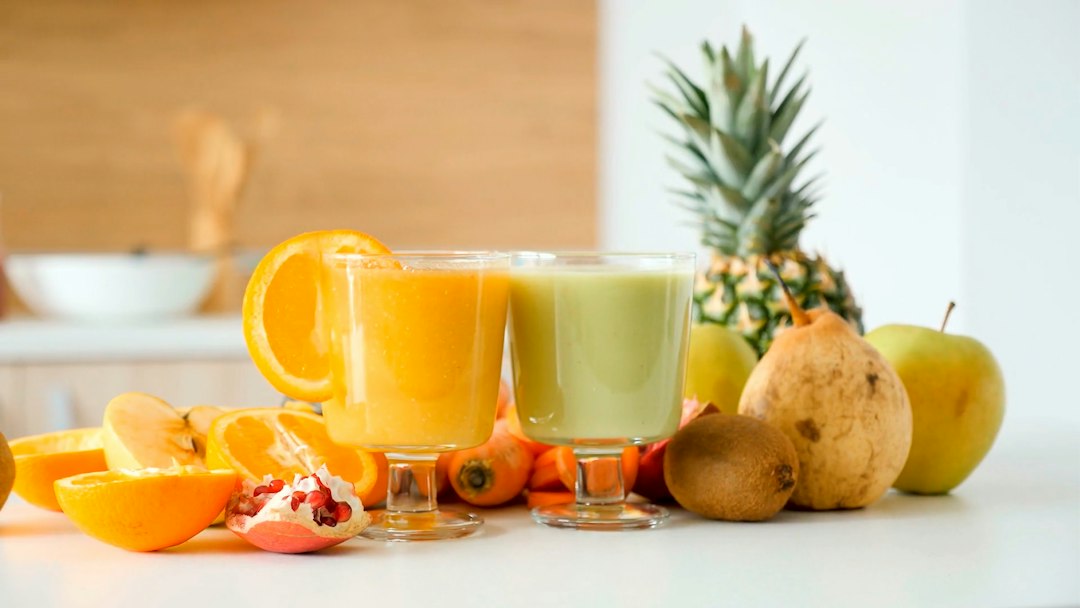
For an easy citrus refresher, combine chilled water, fresh lemon juice, and a sweetener to taste, then add ice and a few pieces of fruit. Taste before adding more sugar because fruit ripeness and lemon acidity vary. For an iced coffee, start with chilled brewed coffee or espresso, add milk if desired, and introduce flavor gradually. These are flexible ideas, not claims about a particular restaurant’s recipe.
Future recipes will include measured amounts, yields, preparation time, substitutions, storage notes, and practical safety guidance. We will clearly label any drink inspired by a menu item as an unofficial homemade interpretation. That way readers can enjoy creative drinks without confusing them with the original brand’s products.
Ordering for friends and family
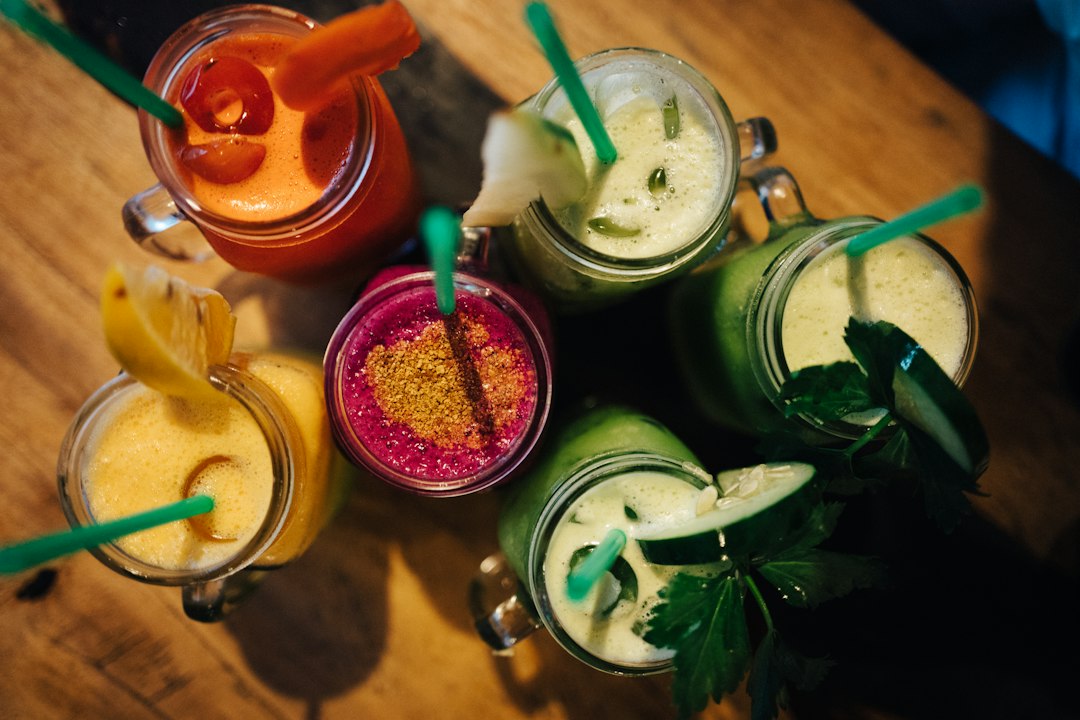
Try grouping similar drinks together in your notes. Coffee orders can go in one section, teas and lemonades in another, and energy drinks in a third. This organization helps you spot missing details. It also makes it easier to read the order back before paying. If a drink is unavailable, ask the person what substitute they would prefer rather than guessing based on color or flavor name.
For parties or meetings, consider whether beverages need to travel for a long time. Ice melts, blended drinks lose texture, and hot drinks cool. Pickup timing can affect the experience just as much as flavor. Choose a plan that keeps the drinks enjoyable when they reach the people who ordered them.
Why drink comparisons matter
A helpful comparison does more than list names. It explains how two drinks differ in base ingredients, texture, flavor direction, caffeine, customization, and typical use. For example, an iced coffee and a flavored energy drink may both provide caffeine, but they offer very different taste experiences. A smoothie and a lemonade may both feature fruit flavors, yet one is usually thicker and the other more refreshing.
We organize comparisons around questions readers actually ask. Which option tastes more like coffee? Which feels creamier? Which has a tart finish? Which is easier to customize? When verified nutrition data is available, we include it with the correct serving size. When it is not, we explain the limitation rather than inventing a precise number.
The purpose is not to push everyone toward the same order. It is to give you enough information to choose confidently. Your preferences may change by season, time of day, or occasion, and a well-structured guide should make room for that.
Using our guides responsibly
A drinks guide is a reference, not a substitute for the retailer’s live menu. We aim to keep information current, but product availability, prices, ingredients, and promotions can change without notice. Before making a trip for a specific item, confirm it with the location. For allergy or health-related questions, use official ingredient information and professional guidance where appropriate.
We also believe useful content should be easy to navigate. Articles will have descriptive headings, clear explanations, accessible images, and links that help you continue reading. We will avoid publishing many near-identical pages simply to target slightly different search phrases. Instead, each guide should answer a distinct question with enough detail to be worth your time.
If you notice an error, you can use our contact page once the contact channel is established. Corrections are part of maintaining a reliable independent resource. Our priority is to make beverage choices simpler, clearer, and more enjoyable for readers across the United States.
Choosing drinks by occasion
Different occasions call for different drinks, and the right choice is not always the one with the most ingredients. For a morning commute, you might prefer a familiar coffee that is easy to carry and simple to reorder. During a warm afternoon, a fruit-forward lemonade or iced tea can feel especially refreshing. For a weekend treat, a creamy specialty beverage or blended drink may be more appealing. Think about where you will be drinking it, how long you need it to stay enjoyable, and whether you want a caffeinated option.
Travel changes the equation. Blended drinks can lose their texture when they sit, ice can dilute beverages, and hot drinks gradually cool. If you are picking up an order for someone else, ask when they plan to enjoy it. For a long drive, a drink with a secure lid and a flavor that remains pleasant as ice melts may be more practical than an elaborate topping. If you are taking a break at home, the experience can be slower and more relaxed.
When ordering for a celebration, offer a mix of categories instead of trying to find a single drink that pleases everyone. Keep caffeine, allergies, and individual preferences in mind. A thoughtful selection might include a coffee-style beverage, a citrus-forward drink, and another non-coffee choice. Confirm the available options with your chosen location before making plans.
Keep a personal drink favorites list
There is no need to remember every drink name you have tried. A small list on your phone can turn occasional experiments into a reliable collection of favorites. Record the category, flavor combination, size, temperature, and any adjustments. Add a few words about the taste: bright, creamy, tart, chocolatey, mild, or strongly coffee-forward. Those details are more useful than a star rating alone because they explain what you enjoyed.
After several visits, look for patterns. Maybe you consistently enjoy citrus drinks with a little sweetness, or perhaps your favorite coffees are iced and lightly flavored. You can then use those preferences to evaluate unfamiliar menu descriptions. If a recommended drink includes several flavors you rarely enjoy, you do not have to order it just because it is trending. A good personal guide makes your own taste the priority.
Share your notes with friends when they ask for recommendations, but remind them that taste is subjective. If you post a review online, identify your customization so readers understand what you actually tried. That extra context makes reviews much more useful and prevents confusion between a standard recipe and a modified order.
Calories, Sugar & Caffeine by Drink Size
Nutrition changes with the size and preparation. For accurate values, choose the exact drink and serving size in the official 7 Brew nutrition guide. Do not rely on competitor estimates for a customized order.
| Drink | Serving size | Calories, sugar & caffeine |
|---|---|---|
| Blondie Breve | Small / Medium / Large | See official guide for your size |
| Brunette Mocha | Small / Medium / Large | See official guide for your size |
| Smooth 7 Breve | Small / Medium / Large | See official guide for your size |
| Sweet & Salty Breve | Small / Medium / Large | See official guide for your size |
| 7 Energy | Check size and base | Ask about added flavors |
For more information, visit our calorie guide. Exact nutrition values should be published only after matching the drink, size and recipe to a documented source.
Frequently asked questions
Is this the official 7 Brew website?
No. 7 Brews Menus is an independent informational website. It is not operated, sponsored, or endorsed by 7 Brew. For official menu and location information, use the brand’s website.
Can I order drinks directly here?
No. We publish guides and comparisons, not an ordering service. Check official ordering options or contact your preferred location to place an order.
Are menu prices the same everywhere?
Not necessarily. Prices may vary by location, size, customizations, and promotions. Confirm the current total with the specific shop.
Do all fruit drinks contain no caffeine?
No. Some fruit-flavored drinks use caffeinated energy bases or tea. Check the exact recipe and size before assuming a drink is caffeine-free.
Can I request less sweetness?
Some drinks may allow syrup or flavor adjustments. Availability varies, so ask the staff what can be changed for your selection.
Are sugar-free flavors always calorie-free drinks?
No. Other ingredients can contribute calories or sugar. Review the entire finished drink rather than one flavoring choice.
How can I check allergens?
Use the retailer’s current ingredient and allergen information and speak directly with staff, especially when cross-contact is a concern.
Do you publish homemade drink recipes?
Yes. Our planned recipe guides will explain ingredients, quantities, methods, and substitutions. Unofficial inspired recipes will be clearly labeled.
What should I try on my first visit?
Start with a drink category you already enjoy, then choose a familiar flavor and make one simple customization. That makes it easier to learn your preferences.
How often is this website updated?
We intend to review time-sensitive pages as new reliable information becomes available. Publication and update dates will help readers evaluate freshness.
Find your next favorite drink
Save this guide, explore the categories above, and come back as we add new menu explainers, comparisons, and original recipes. For official product availability and ordering, visit 7brew.com.
Independent website notice: 7 Brews Menus is not affiliated with, sponsored by, or endorsed by 7 Brew Coffee. Trademarks belong to their respective owners. This website provides informational and editorial content only.
Sizes, Caffeine & Customization
| Decision | What changes | Best next step |
|---|---|---|
| Small / medium / large | Volume and nutrition may change | Confirm available sizes |
| Espresso shot count | Total caffeine | Ask for shot count |
| Half-caf / decaf espresso | Caffeine content | Confirm eligible coffee drink |
| Milk alternative | Taste and allergens | Ask for full ingredient list |
| Quarter / half sweetness | Flavor and sugar | Ask which ingredients change |
For full details, see our sizes, caffeine & customization guide. Ask your stand about exact size, ingredient, caffeine, allergen and price details for your order.