Updated October 2026 · Independent 7 Brew menu guide
The question ‘How much caffeine is in 7 Brew?’ has no single answer. A shot-based latte, an Americano, a cold brew, a tea and a flavored energy drink are made differently. Size, espresso shots, energy base and custom additions can all change the total. This guide helps you understand the categories, compare like-for-like servings, and ask useful questions without relying on a misleading one-number estimate.
Editorial note: 7 Brews Menus is independent and is not affiliated with 7 Brew Coffee. Menu ingredients, sizes, availability and prices vary. Always confirm details with your local stand.
Quick comparison
| Option | What to know | Ordering check |
|---|---|---|
| Latte / breve / mocha | Espresso shots | Shot count by size |
| Americano | Espresso plus water | Shot count |
| Cold brew | Brewed coffee concentrate | Exact recipe caffeine |
| 7 Energy | Energy base | Caffeine by size |
| Chai / matcha | Tea-based ingredients | Concentrate and serving size |
This table is a planning reference rather than an official product specification. Compare current offerings using the official 7 Brew menu and ask the stand about changes.
Why caffeine totals differ
Caffeine is present in coffee beans, many tea leaves, matcha and energy drink formulations. The amount in a finished beverage depends on the ingredient, how much of it is used and the preparation method. A larger cup does not always mean a proportionally larger caffeine dose if it contains more ice or milk rather than additional espresso. For an accurate comparison, use the specific drink name, size and recipe.
A useful way to decide is to compare the standard recipe with one small modification, rather than changing the base, size and flavors all at once. Ask the stand to repeat the ingredients so you know what you are getting. The same drink name may not reflect the same customization from visit to visit.
Espresso drinks: count the shots
Lattes, mochas, breves, cappuccinos and Americanos often start with espresso, but their ratios of coffee to milk or water differ. The shot count is often more important to caffeine than how creamy or sweet the drink tastes. Ask how many shots are included in your chosen size and whether an extra shot can be added or omitted. A sweet, milky drink may still deliver a substantial amount of caffeine.
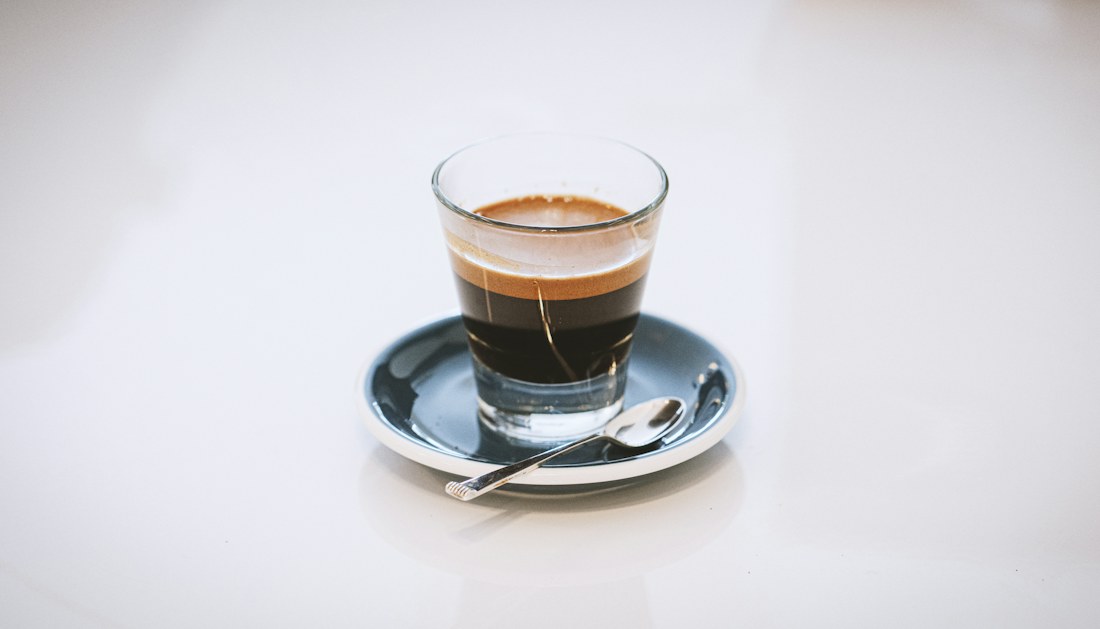
Keep the serving size in mind. The amount of milk, syrup, coffee or energy base can change when you order a different size, and a photograph cannot tell you the complete ingredient list. If nutrition matters, compare a documented standard serving with the drink you actually request.
Cold brew versus iced espresso
Cold brew and an iced latte are not interchangeable caffeine measurements. Cold brew is produced by steeping coffee in cool water, while an iced latte typically starts with espresso. Strength depends on the concentrate, dilution and serving size. Avoid assuming cold brew is always stronger, or that an iced drink is weaker than a hot one. Ask the stand for the actual caffeine value of its recipe.
When in doubt, ask a simple question at the ordering window: what is in the base, and which ingredients are added for this flavor? This approach works across locations and helps you avoid relying on unverified social-media recipes or outdated menus.
7 Energy deserves its own comparison
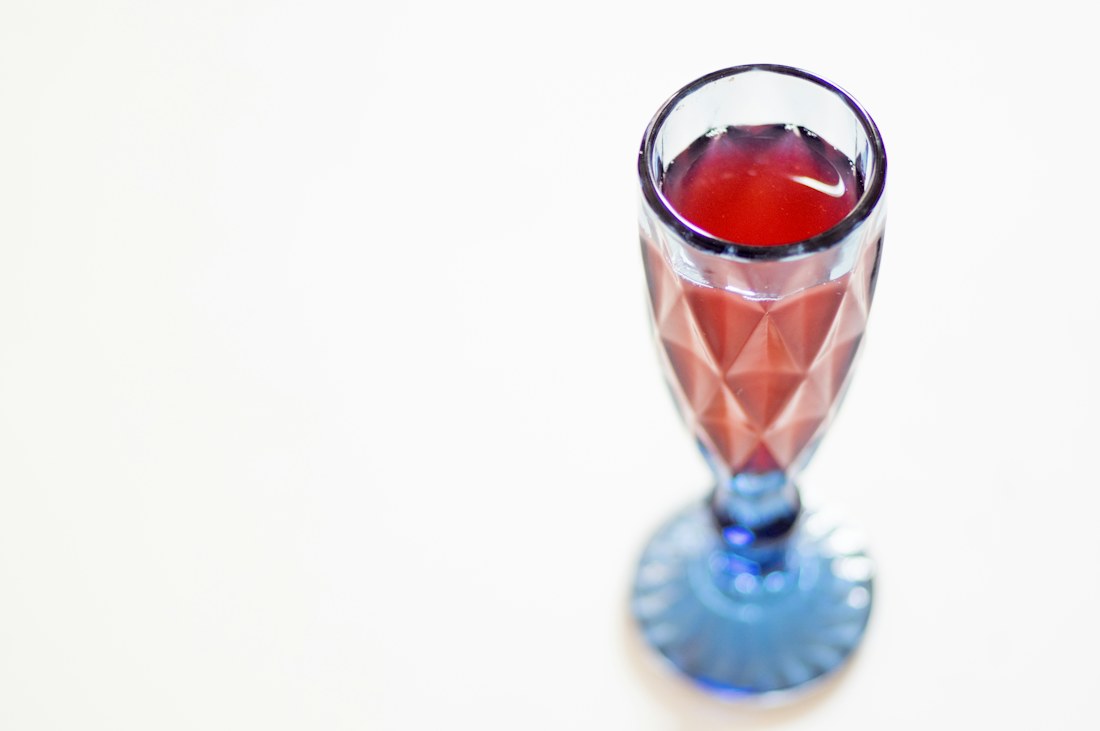
A 7 Energy beverage uses an energy-drink base rather than espresso. The finished caffeine amount depends on the base and serving size, not on whether the drink tastes like berry, citrus or tropical fruit. A sugar-free version can still contain caffeine. If you are comparing coffee and energy drinks, use milligrams per complete serving and verify whether the quoted amount includes any additional ingredients.
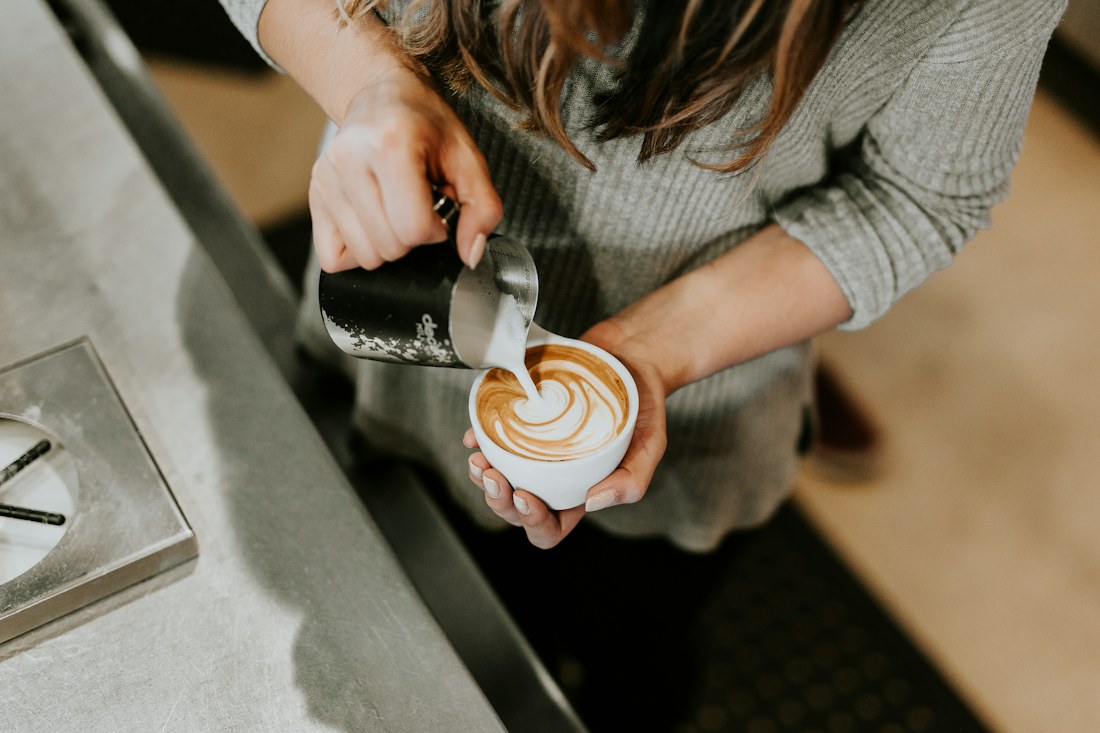
The best choice is personal. Think about taste, temperature, dietary needs and how the drink fits into your day. Save your preferred size and modifications for next time; consistent orders make it easier to compare sweetness, texture and value.
Tea, chai and matcha
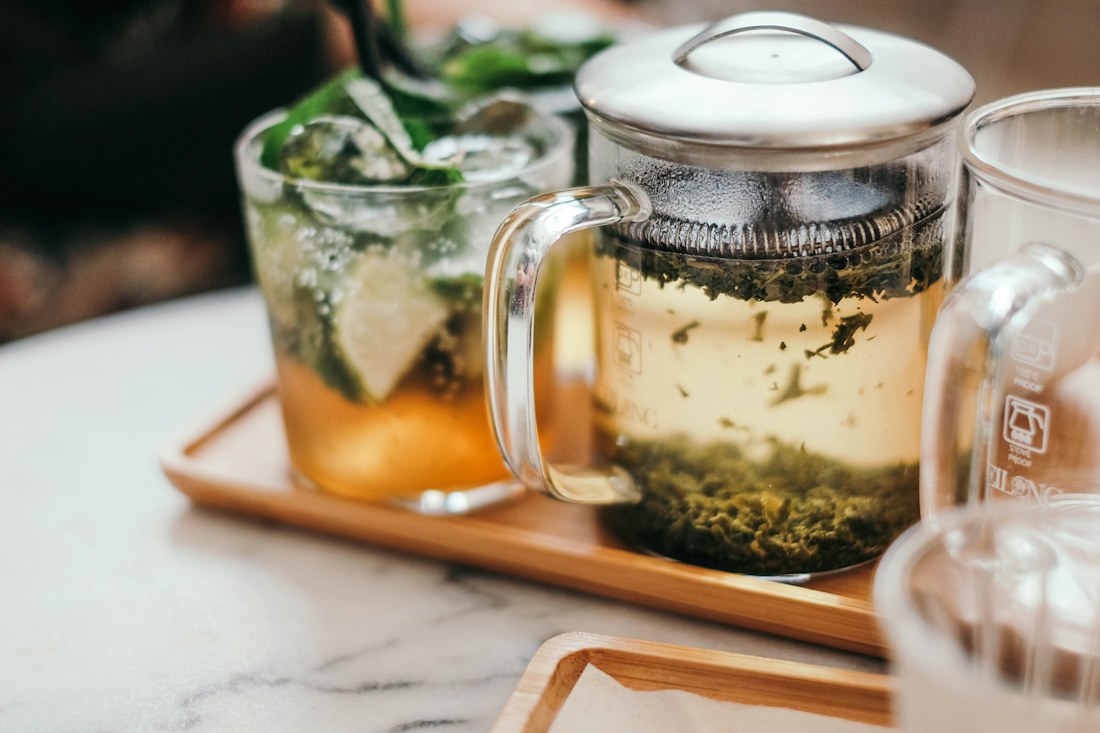
Tea caffeine varies with tea type, concentration and serving size. Matcha is powdered tea, so it should not be assumed to have the same caffeine profile as a lightly brewed tea. Chai may contain black tea, depending on the concentrate or recipe. Herbal-style beverages may differ. Ask what base the stand uses rather than deciding from the drink’s color or the presence of milk.
A useful way to decide is to compare the standard recipe with one small modification, rather than changing the base, size and flavors all at once. Ask the stand to repeat the ingredients so you know what you are getting. The same drink name may not reflect the same customization from visit to visit.
Decaf and half-caf options
Decaf generally means substantially less caffeine, not necessarily absolutely none. Availability can differ by coffee style and location. Half-caf may involve combining regular and decaf espresso, but only if the stand offers that preparation. When ordering for someone who must strictly avoid caffeine, confirm the actual ingredients rather than relying on the term ‘coffee-free’ or the absence of espresso.
Keep the serving size in mind. The amount of milk, syrup, coffee or energy base can change when you order a different size, and a photograph cannot tell you the complete ingredient list. If nutrition matters, compare a documented standard serving with the drink you actually request.
Cup size and add-on shots
Small, medium and large cups can involve different coffee or energy base quantities. Adding an espresso shot changes caffeine without necessarily changing the size. A flavored syrup generally changes taste, not the espresso count, although specialty ingredients can have their own caffeine. Keep a simple record of size, base and shots when comparing drinks over time. Avoid treating cup volume alone as a caffeine calculator.
When in doubt, ask a simple question at the ordering window: what is in the base, and which ingredients are added for this flavor? This approach works across locations and helps you avoid relying on unverified social-media recipes or outdated menus.
How to compare drinks fairly
A good comparison table names the exact drink, hot or iced preparation, size, espresso shot count and caffeine in milligrams. If any of those details are missing, the number may be misleading. Compare the same size and standard recipe first, then account for customizations. An official nutrition document is preferable to a crowd-sourced estimate, especially when the menu changes.
The best choice is personal. Think about taste, temperature, dietary needs and how the drink fits into your day. Save your preferred size and modifications for next time; consistent orders make it easier to compare sweetness, texture and value.
Sensitive to caffeine? Order deliberately
If caffeine affects your sleep, heart rate or anxiety, consider a smaller serving, fewer shots or an available decaf alternative. Do not combine multiple high-caffeine drinks casually. Children, pregnant people and those with specific medical conditions may need tailored advice from a clinician. This article is general menu information, not medical guidance. The most useful action at the window is to ask for the caffeine total of your exact order.
A useful way to decide is to compare the standard recipe with one small modification, rather than changing the base, size and flavors all at once. Ask the stand to repeat the ingredients so you know what you are getting. The same drink name may not reflect the same customization from visit to visit.
A practical caffeine checklist
Before ordering, identify whether the base is espresso, brewed coffee, cold brew, tea, matcha or energy drink. Choose the size. Ask about standard caffeine, any extra shots and whether the recipe is offered decaf. Then decide on flavor and sweetness. This sequence prevents a common mistake: choosing a beverage based on a pleasant flavor name while overlooking the stimulant content.
Keep the serving size in mind. The amount of milk, syrup, coffee or energy base can change when you order a different size, and a photograph cannot tell you the complete ingredient list. If nutrition matters, compare a documented standard serving with the drink you actually request.
Ordering checklist
- Choose the beverage family and check the current local menu.
- Specify small, medium or large and hot, iced or blended preparation.
- Ask which flavors, milks and other customizations are available.
- Confirm caffeine, sugar, allergens or other ingredients relevant to your order.
- Check the final price and repeat the order before paying.
Related 7 Brew guides
7 brew energy drinks menu · 7 brew drink sizes · 7 brew tea menu
Frequently asked questions
Which 7 Brew drink has the most caffeine?
That depends on current recipes, serving sizes and additions. Compare official caffeine totals for specific drinks.
Does a large latte always have more caffeine?
Not necessarily. Ask how many espresso shots the size includes.
Is sugar-free energy caffeine-free?
No. Sugar content does not determine caffeine content.
Does decaf contain zero caffeine?
Decaf may contain residual caffeine. Confirm with the retailer if strict avoidance is necessary.
Is matcha caffeinated?
Matcha typically contains caffeine because it is made from tea leaves. Check the exact recipe.
Sources and accuracy
For current products and ingredients, consult the official 7 Brew menu, official nutrition guide and 7 Brew support. This guide provides practical ordering context, not guaranteed nationwide pricing, nutrition for custom recipes or medical advice.
Pingback: 7 Brew Decaf Coffee Guide 2026: Options, Caffeine & Ordering - 7 Brews Menus
Pingback: 7 Brew Triple 7 2026 | Flavor & Caffeine Guide