Updated October 2026 | Independent 7 Brew menu guide
Looking for 7 brew blended drinks? This practical guide explains the available drink styles, how ingredients affect flavor and nutrition, and what to confirm before ordering. The best choice depends on the base, serving size, preparation and current local availability.
Disclosure: 7 Brews Menus is an independent website, not affiliated with or endorsed by 7 Brew Coffee. Flavor ideas are not guarantees of official menu products.
Quick comparison table
| Drink idea | What to expect | Before you order |
|---|---|---|
| Blended coffee | Frozen coffee-style drink | Ask about coffee and milk base |
| Blended 7 Energy | Frozen energy preparation | Confirm caffeine by size |
| Smoothie | Fruit-style blended beverage | Check sugar and ingredients |
| Shake | Creamy dessert-style drink | Check dairy and toppings |
| Iced drink | Poured over ice, not blended | Compare texture and recipe |
Use the table to narrow down options. Prices and ingredients can change between stands; confirm the final recipe and cost locally rather than relying on an unofficial nationwide price chart.
What blended means
A blended drink is processed to create a thicker, frozen texture rather than simply poured over ice. That preparation can change how flavors are perceived and may require a different base or recipe. Not every iced beverage is available blended, and the same name may not represent identical ingredients across formats. Ask whether the stand offers your chosen drink blended and whether any special mix is used. Texture should be considered alongside caffeine and nutrition.
To make a useful comparison, keep the beverage base and cup size consistent while adjusting one detail at a time. Changing the milk, syrups and preparation together makes it difficult to tell what affected the flavor. Ask the employee which ingredients are included in the standard recipe before requesting a substitution.
Blended coffee
A frozen coffee preparation can appeal to people who want coffee flavor with a smooth, cold texture. Milk, syrups and blended bases may contribute sweetness or richness beyond the espresso itself. Ask what coffee component is included and whether the standard preparation has toppings. If you want stronger coffee flavor, discuss the available options rather than assuming an extra shot can be added to every recipe. The finished caffeine amount depends on the actual ingredients.
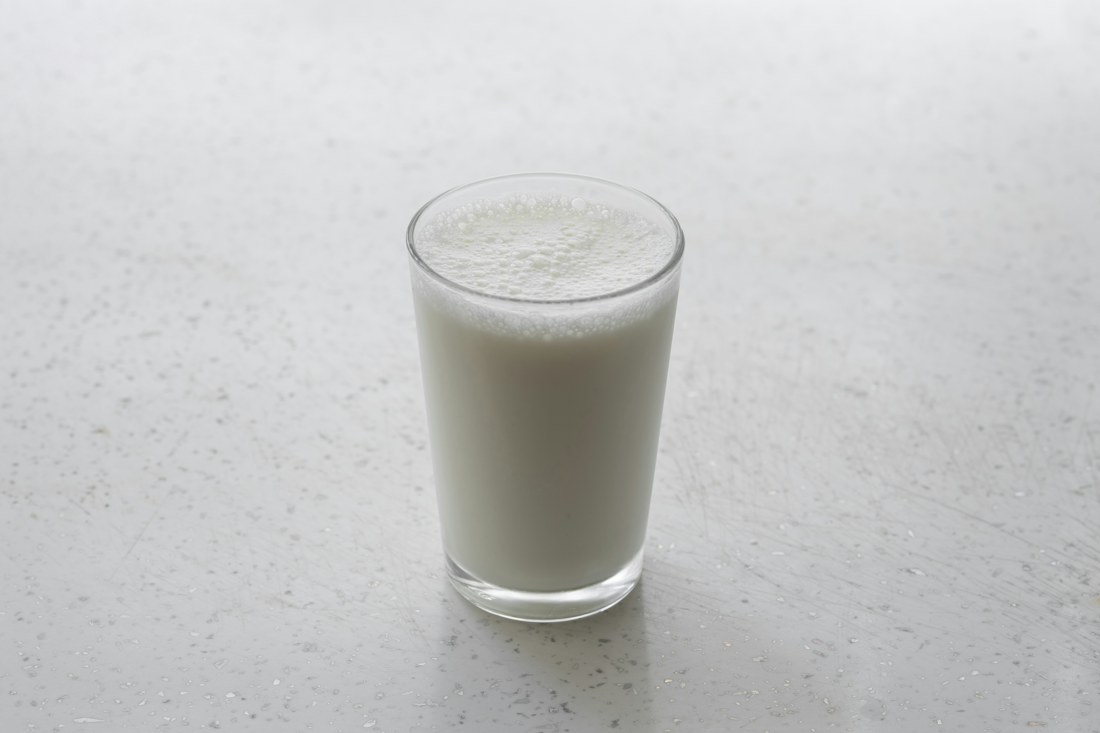
Availability deserves a separate check from taste. A flavor mentioned in an online guide may not be stocked at every stand or in every season. Describe the result you want and ask which current ingredients could create it. Clear ingredient requests are more reliable than social-media nicknames, especially for customized beverages.
Blended energy drinks
A blended energy beverage differs from a frozen fruit smoothie because its base may contain substantial caffeine. The fruit flavor does not reduce that stimulant content. Ask about the standard energy base, caffeine per serving and any additional sweeteners. If a sugar-free base is offered, confirm whether the blended preparation and added flavors preserve the intended nutrition. Avoid treating a frozen energy drink as a child-friendly slush simply because it looks colorful.
Think about the complete cup rather than a single appealing label. Sweetness, caffeine, temperature, allergens and portion size are independent considerations. A drink that seems light in flavor can still contain significant caffeine or sugar. Use current official nutrition information when comparing standard preparations.
Smoothies
Smoothies are often chosen for their thick fruit-forward character, but the ingredients can include sweetened mixes or dairy. The name does not guarantee fresh whole fruit or a particular nutrition profile. Ask about the current flavors, the base and whether any milk is included. If allergies are relevant, verify sauces and shared blending equipment as well. Compare sizes because a larger blended beverage can deliver a substantially larger portion.
Keep a note of the exact size, base, flavors and modifications if you find an order you enjoy. That helps you repeat it and notice differences between locations. For any allergy or medical dietary requirement, request up-to-date ingredient and preparation information from the retailer rather than relying on a third-party description.
Shakes
Shakes generally lean toward creamy, dessert-like flavor. Vanilla, chocolate or berry profiles may be available depending on the stand. A shake’s texture and ingredient list can be quite different from a smoothie, even if both are served cold and blended. Ask whether the base contains dairy and what toppings are standard. If you are choosing a shake as a treat, decide on the size and flavors before adding extra sweet components.
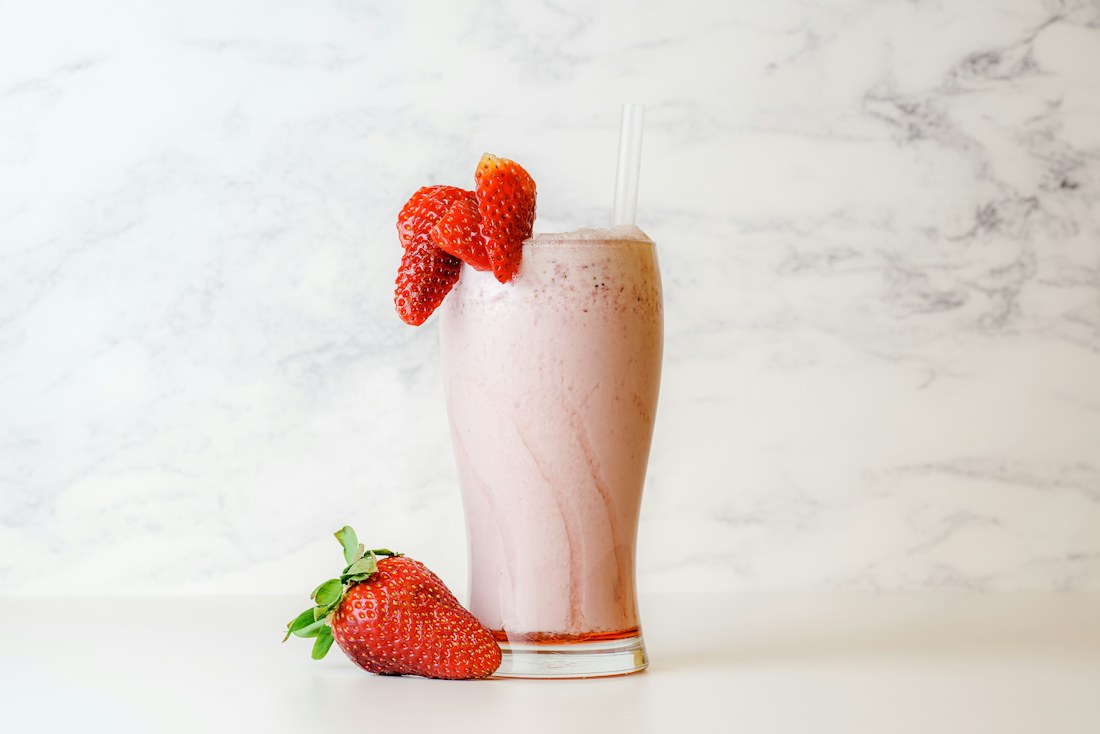
To make a useful comparison, keep the beverage base and cup size consistent while adjusting one detail at a time. Changing the milk, syrups and preparation together makes it difficult to tell what affected the flavor. Ask the employee which ingredients are included in the standard recipe before requesting a substitution.
Iced versus blended coffee
An iced latte is usually liquid coffee and milk served over ice; a blended coffee has a frozen texture. That change can alter mouthfeel and dilution, and sometimes the ingredient list. Do not assume the blended version has the same calories or caffeine as an iced drink with the same flavor name. Compare the official standard recipes where available. If you mainly want a refreshing coffee, an iced version may be simpler to customize.
Availability deserves a separate check from taste. A flavor mentioned in an online guide may not be stocked at every stand or in every season. Describe the result you want and ask which current ingredients could create it. Clear ingredient requests are more reliable than social-media nicknames, especially for customized beverages.
Choosing flavors for frozen texture
Vanilla, caramel, chocolate and fruit notes can taste different when very cold. Frozen temperatures may make some flavors seem less intense at first, leading people to request extra syrup. Before adding more sweetness, taste the standard version and consider how it changes as it softens. One or two flavors are easier to balance than several strong additions. Ask the barista which pairings work well with the specific blended base.
Think about the complete cup rather than a single appealing label. Sweetness, caffeine, temperature, allergens and portion size are independent considerations. A drink that seems light in flavor can still contain significant caffeine or sugar. Use current official nutrition information when comparing standard preparations.
Milk and creamy additions
Dairy, half-and-half, plant-based alternatives and creamy toppings can change both texture and nutrition. Not every substitution works in a frozen recipe. Ask whether the blender base itself contains dairy before assuming an alternative milk makes the drink dairy-free. Shared equipment may be relevant for allergies. A milk swap can also make the final drink thinner or change how the flavors blend, so confirm what the stand can reliably prepare.
Keep a note of the exact size, base, flavors and modifications if you find an order you enjoy. That helps you repeat it and notice differences between locations. For any allergy or medical dietary requirement, request up-to-date ingredient and preparation information from the retailer rather than relying on a third-party description.
Sugar and calorie considerations
Blended beverages may contain sweetened bases, flavored syrups, sauces and toppings. A sugar-free syrup does not necessarily remove sugar from the entire drink. Likewise, a fruit flavor does not establish that the drink is low in calories. Review the complete standard recipe and serving size in the official nutrition information. If you customize the drink, treat the standard figure as a reference rather than a precise total for your order.
To make a useful comparison, keep the beverage base and cup size consistent while adjusting one detail at a time. Changing the milk, syrups and preparation together makes it difficult to tell what affected the flavor. Ask the employee which ingredients are included in the standard recipe before requesting a substitution.
How caffeine varies
Coffee-based blended drinks, energy-based frozen drinks and fruit smoothies can have very different caffeine profiles. The amount depends on the coffee shots, energy base or other caffeinated ingredients, not the frozen texture. Ask the stand for caffeine information on the exact recipe and size. If you want a caffeine-free option, verify that the full base contains no coffee, tea or energy ingredients. Do not rely on appearance.
Availability deserves a separate check from taste. A flavor mentioned in an online guide may not be stocked at every stand or in every season. Describe the result you want and ask which current ingredients could create it. Clear ingredient requests are more reliable than social-media nicknames, especially for customized beverages.
Ordering and price questions
State the beverage family, size and blended preparation first. Then request the flavor, milk preference and any sweetness adjustments. Ask whether blending changes the recipe or price, and whether the stand can make the specific combination. Prices vary locally and custom additions may cost extra. If a requested modification is unavailable, ask for a simpler frozen drink with a similar flavor profile rather than insisting on an unsupported preparation.
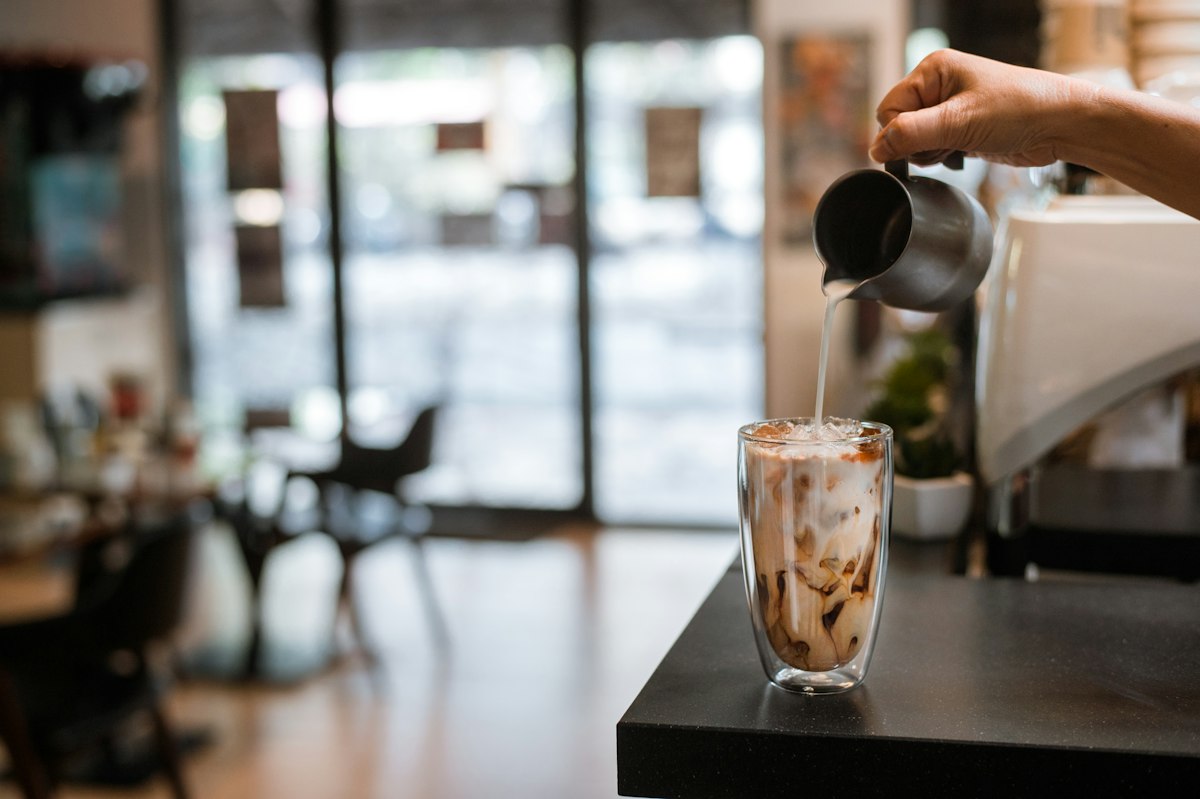
Think about the complete cup rather than a single appealing label. Sweetness, caffeine, temperature, allergens and portion size are independent considerations. A drink that seems light in flavor can still contain significant caffeine or sugar. Use current official nutrition information when comparing standard preparations.
Best first blended drink strategy
Decide whether you want coffee flavor, fruity refreshment or a creamy dessert. That choice directs you toward blended coffee, an energy drink, a smoothie or a shake. Ask about caffeine and ingredients before choosing size. Start with one familiar flavor, skip unnecessary extras and note the final order if you enjoy it. Once you understand the base, experimenting with another flavor or texture becomes easier and more predictable.
Keep a note of the exact size, base, flavors and modifications if you find an order you enjoy. That helps you repeat it and notice differences between locations. For any allergy or medical dietary requirement, request up-to-date ingredient and preparation information from the retailer rather than relying on a third-party description.
How to order in five steps
- Choose the base and ask whether it is currently offered.
- Select the serving size and hot, iced or blended preparation.
- Ask which flavors and milk or topping choices are available.
- Confirm caffeine, sugar and allergens relevant to your order.
- Check the final local price and repeat the order before paying.
More helpful menu guides
7 brew shakes menu · 7 brew smoothies menu · 7 brew energy drinks menu
Frequently asked questions
Can 7 Brew drinks be ordered blended?
Some categories offer blended preparations; confirm availability for the specific drink.
Are blended drinks always coffee-based?
No. Energy drinks, smoothies and shakes can also be blended.
Is blended 7 Energy caffeine-free?
No assumption should be made; verify the caffeinated energy base and serving size.
Are smoothies and shakes the same?
No. Their bases, ingredients and typical textures can differ.
Do blended drinks have more calories?
Not automatically, but recipes may differ; compare the exact preparation and size.
Sources and accuracy
Consult the official 7 Brew menu, nutrition guide and support information for current standard recipes. This independent article provides ordering context, not guaranteed availability, nationwide pricing or exact nutrition for customized drinks.